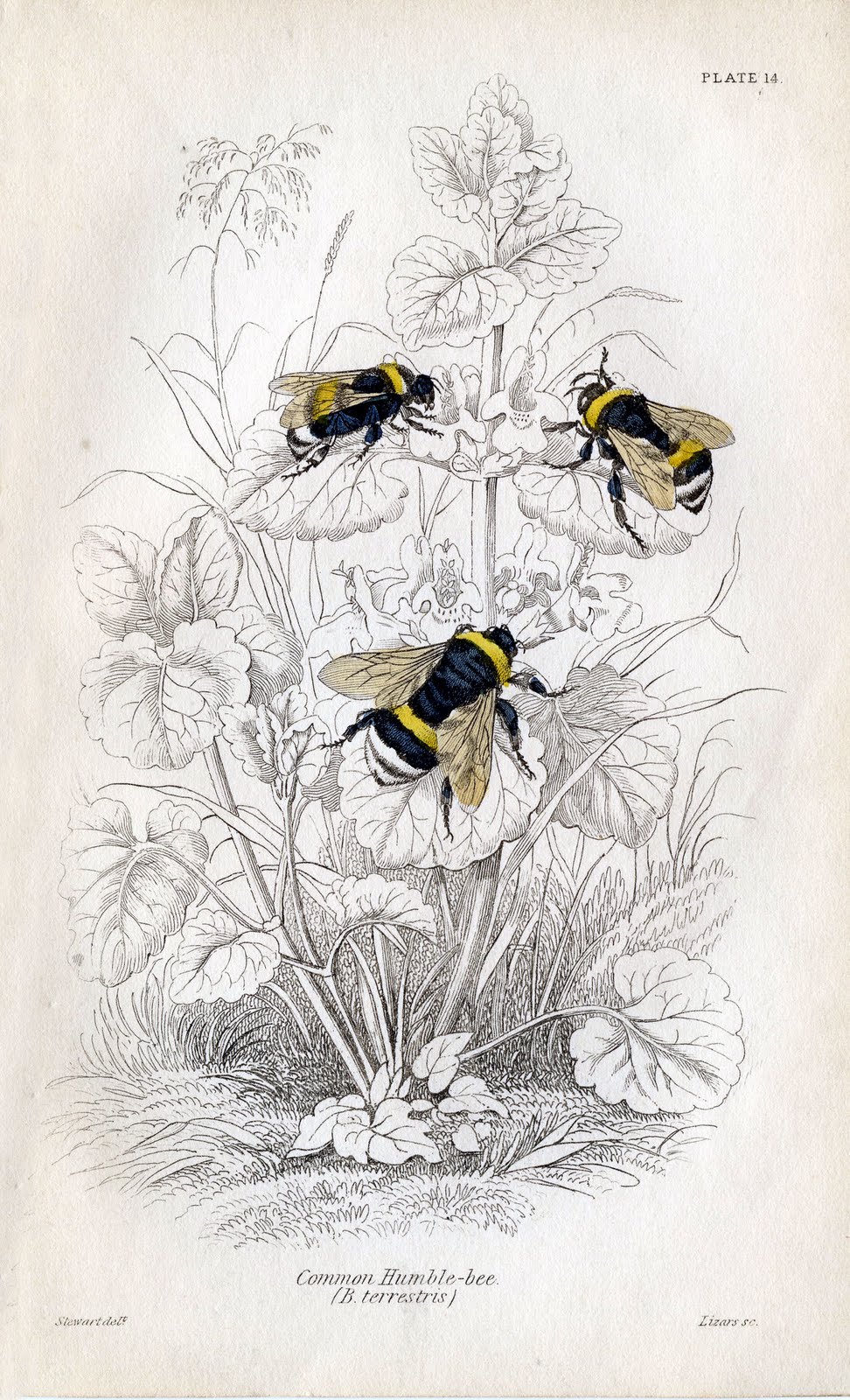
Further to our previous post: Bees, Boles and Bears, Beehives 1 and Beehives 2, this post is to share an exciting new form of beehive which is minimally invasive on bees at the time of harvest, and so much easier to harvest from. No more masks and spaceman suits. The modern apiarist is about to change...

First though, we had planned to make some ornamental beehives for the potager garden or orchard. The beehives we previously had on the farm have moved on, but we still want to have honey bees as they need protection, and we need them to pollinate all our fruits trees and provide our guests local honey. We had decided to essentially build a more decorative version of the standard Langstroth hive that most people would be familiar with.

I came across these photos of some ornamental hives that have been built for the rooftop of Fortnum and Mason in the middle of Piccadilly which I liked and planned to model our new hives on....


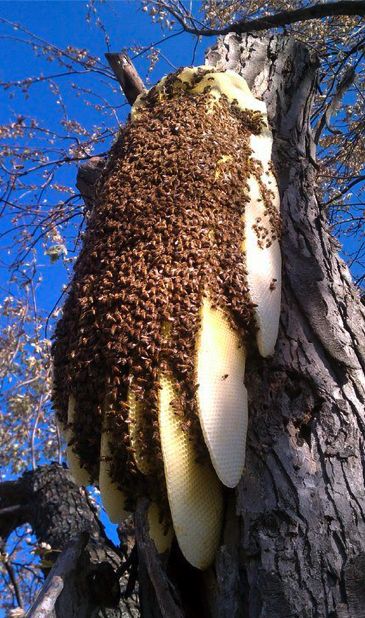
The langstroth hive has been the standard type of hive for eaons. Although they are better for a colony than a woven skep, which can only be harvested with the compete destruction of the hive, their time has come to an end...


We plan to have the best of both worlds - we will buy three complete flow hives and then add ornamental woodwork to the outside, such as creating a little front porch over the main door; and paint them a similar colour to the F&M hives (actually a duck egg blue to match the trellis obelisks in the potager).


Now we just need to decide where at Willowbrook to make our bee garden. Perhaps Spencer's Corner, or Little Hollows?


First though, we had planned to make some ornamental beehives for the potager garden or orchard. The beehives we previously had on the farm have moved on, but we still want to have honey bees as they need protection, and we need them to pollinate all our fruits trees and provide our guests local honey. We had decided to essentially build a more decorative version of the standard Langstroth hive that most people would be familiar with.

I came across these photos of some ornamental hives that have been built for the rooftop of Fortnum and Mason in the middle of Piccadilly which I liked and planned to model our new hives on....


I love the design of their hives, as well as that F&M colour. The shape reminds me of a diagram I found of an antique beehive...

The flow frame is perfect for novice apiarists like ourselves because of the ease with which you can harvest the honey.

One just inserts a tube and cranks a lever and away it flows...
Here is a video clip explaining how this new system works. We will definitely be supporting Flow Hives.


We already have a friend who can get us a swarm of bees.
Now we just need to decide where at Willowbrook to make our bee garden. Perhaps Spencer's Corner, or Little Hollows?